Sustainable Sports
Change the game– end the waste!
Sports inspire us and bring us together, but they also generate an enormous amount of waste. $32 billion is spent on sporting goods each year in the U.S., but tens of millions of tons of sporting goods are thrown away each year– with only a small fraction reused or recycled.
The Problem
Waste in Sports is a Big Problem
We need sustainable sports– balls are thrown away after only a few uses, sports jerseys are retired before the end of their useful life, old sports equipment could have a second life, and single-use plastic bottles are frequently used on the field.
Sports Arena Waste
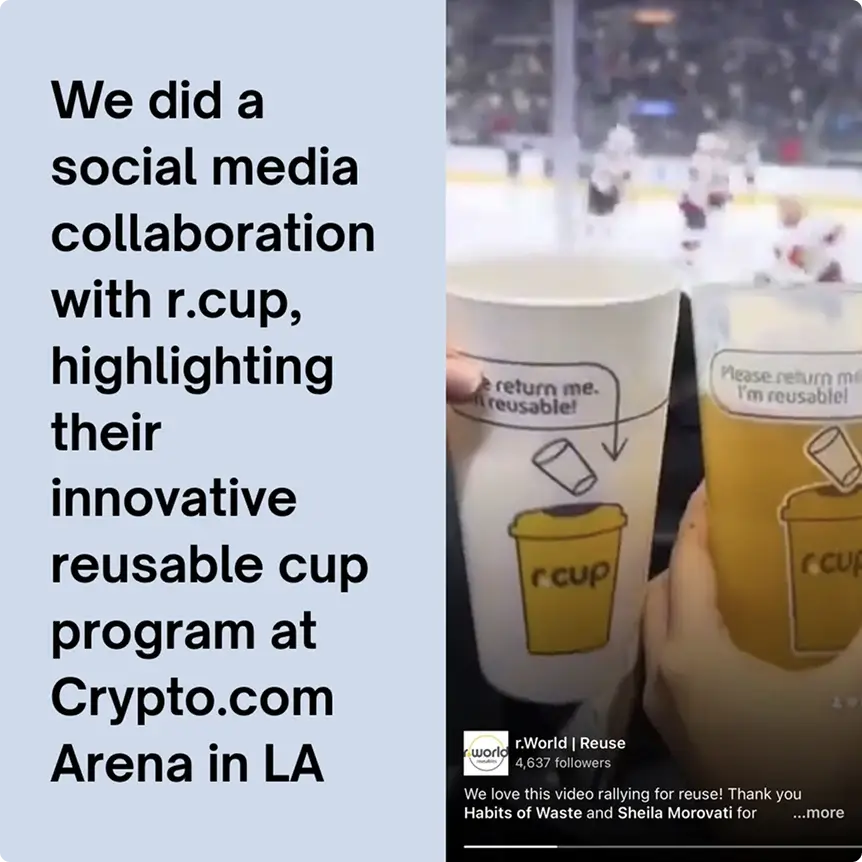
Sports arenas that use single-use plastic for food and beverages sold on-site cause an immense amount of waste that can be easily avoided. Upstream reports that, “The average stadium that hosts 300 events annually uses 5.4 million single-use cups– creating a whopping 63.75 tons of plastic waste.” (PRN, 2021)
The Solution
Rather than provide single-use plastics in arenas, using reusable cups that patrons can keep, or offering in-house cup, plate, and utensil return can drastically reduce the amount of waste generated. Offering refill stations for athletes and fans can also encourage the use of reusable water bottles. We support the great work of these organizations like these working to make reusables a reality in sports events arenas. You can help by sharing these resources with your local stadiums!
- r.World Reusables – reusable cups and foodware for venues, stadiums, and events
- Event Cup Reusables – rental cup service for large events
- Water Monster – a great solution for smaller events

Used Sports Jerseys & Shoes
The Problem
Athletes require elite performance gear, and they rapidly go through shoes, jerseys, and sports apparel. Basketball players each use over 60 pairs per season (NBA, 2026), NFL football teams wear and throw out 2,500 shoes per season (How Stuff Works, 2026)– and likely very few get recycled. Over 22 billion pairs of shoes are sent to landfills each year, (Vivobarefoot, 2025), and only 5% of all footwear is estimated to be recycled (Life Kanna Green, 2024).
Sports jerseys and clothing have a high turnover as well, with professional football, basketball, and other players being issued several new jerseys per season– sometimes with a new jersey issued per game. In the U.S. alone, over $419 million is spent on football team uniforms (Statista, 2023). The problem is, those sports jerseys rarely get recycled– only 15% get reused or recycled, and only 1% get reused into new textiles (Yahoo Finance, 2026).
The Solution
- TerraCycle Zero Waste Box for Fabrics: offers recycling boxes to collect used textiles and jerseys– perfect for a sports team!
- Got Sneakers: collects and recycles old sneakers
- Project RePat: transforms your used jerseys into quilts
Used Sports Equipment
The Problem
In racquet sports alone, over 500 million tennis balls and pickle balls are produced and sold each year, but most are sent to landfills or incinerated after use (UN RIC, CBS News). It’s estimated that 125 million tennis balls go into landfills annually in the U.S. (Stanford), and only about 1% of all tennis balls produced are recycled (UN RIC). Once thrown away, balls can take 400+ years to decompose due to their rubber components (Bounce Back Recycle).
In the U.S. alone, $32.97 billion is spent on sporting goods (SIFA,2024), and over 22.1 million tons of “miscellaneous durable goods” are thrown away every year– which includes sports equipment and luggage (US EPA, 2018).
The Solution
- Clean Out for a Cause – send all types of sports apparel and gear for recycling
- BounceBack Pickle – offers pickleball recycling
- Ridwell – offers pickleball and tennis ball recycling
- RecycleBalls – offers pickleball recycling

Single-Use Plastic Waste
The Problem
There is an incredible amount of unnecessary plastic waste in sports games, from the athletes using single-use plastics on the field, to fans relying on single-use plastic cups and bottles. In the US alone, we are discarding 1 million plastic bottles per minute and only 9% of these bottles are being recycled.
Drinking from single-use plastic water bottles also means that athletes are also ingesting microplastics, which are harmful to their health. Over 10,000 microplastic particles have been found in just 1 liter of water (95% of the particles ranging from 6.6-100 microns). Contamination comes from the bottling and packaging process, according to the Department of Chemistry, State University of New York.
The Solution
Demand that local sports stadiums and events ask athletes to use reusable water bottles, ensure your sports teams encourage their use, and look into options for other reusable foodware for larger events (see Sports Arena Waste, above). It’s important that athletes also model use of reusables, as sports fans are influenced by the behavior of their favorite athletes (see our Lights, Camera, Plastic – SPORTS Edition campaign for more info).
Why Sports Sustainability Matters
Over 4.5 billion people watch sports across the globe (Come to Play, 2026), from soccer, to cricket, to basketball, tennis, football, golf, and more. This represents over half the global population! When sustainability is featured on the field, it will have an impact on audiences worldwide.
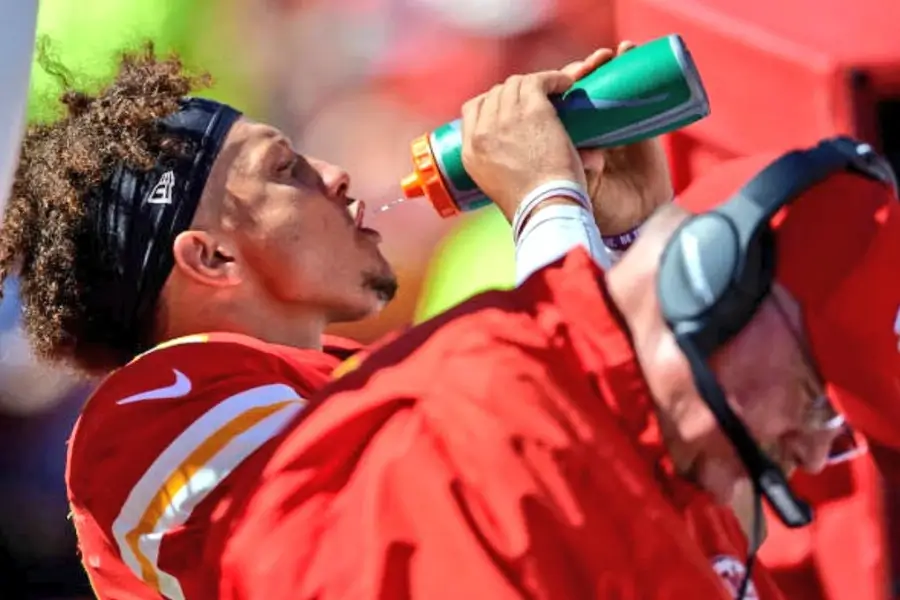
Professional athletes are important role models for kids and sports fans of all ages. Researchers at Kaiser Family Foundation say kids learn important lessons from famous athletes. When they see athletes rehydrating with single-use plastic water bottles on the sidelines, kids get the message that single-use plastic is acceptable.
What athletes do on the field has a significant impact on viewers, so changing small habits on the field can have a significant impact on sports sustainability across the globe.
Our Sports Sustainability Campaigns
Sports sustainability is about leveraging the power of athletics to shift culture and clean up the planet. We have three primary campaigns to address sports sustainability— we hope that you will join us!
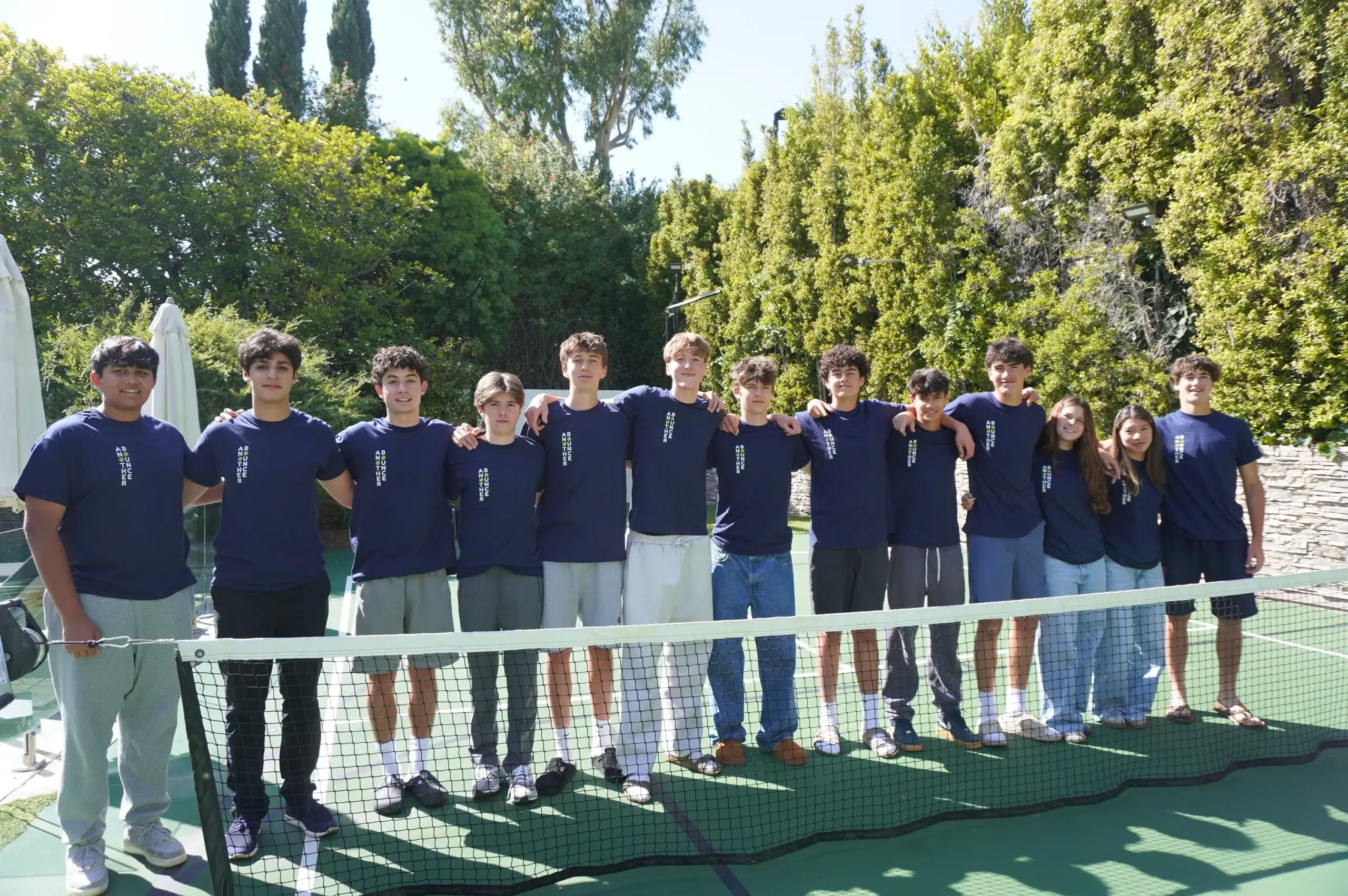
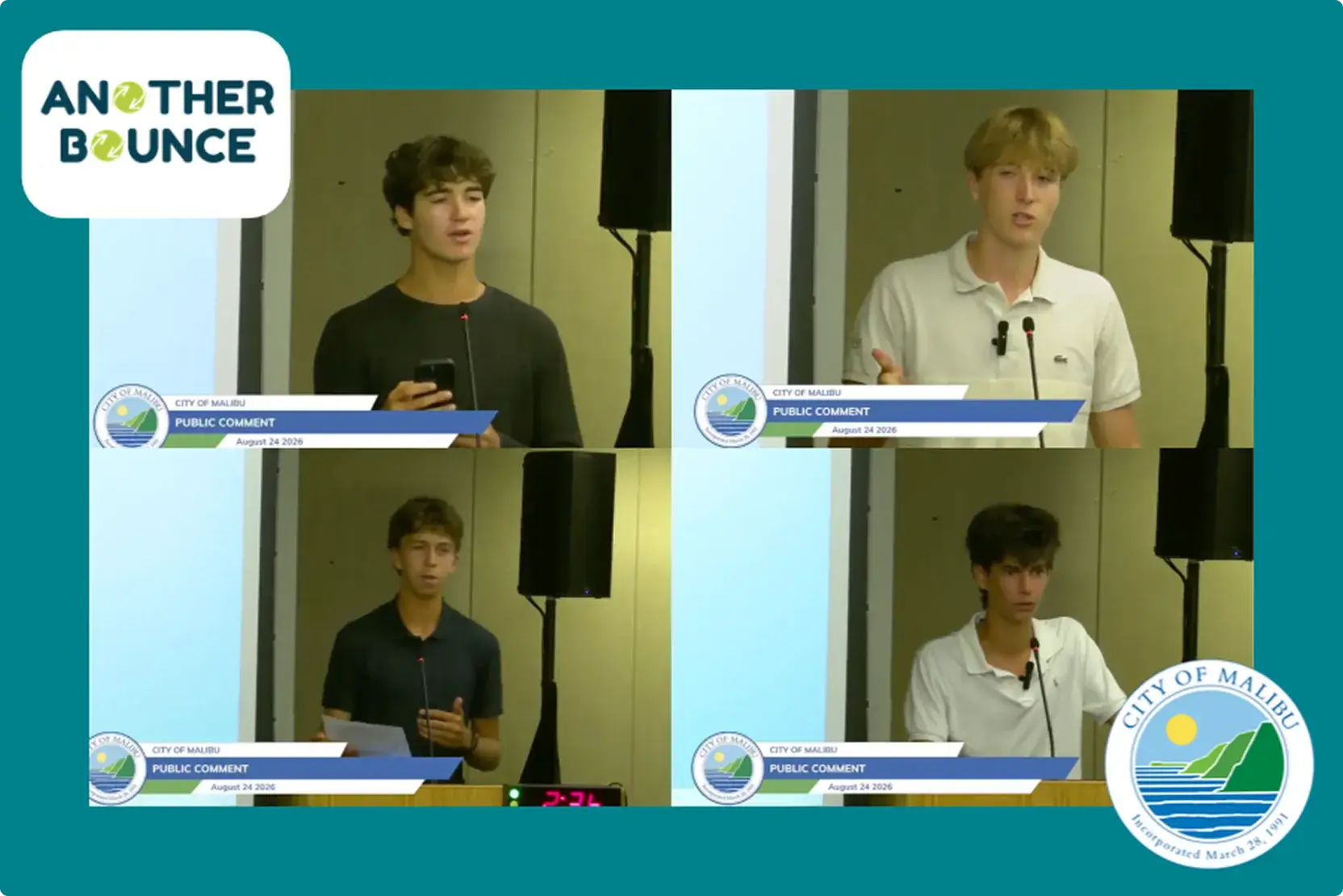
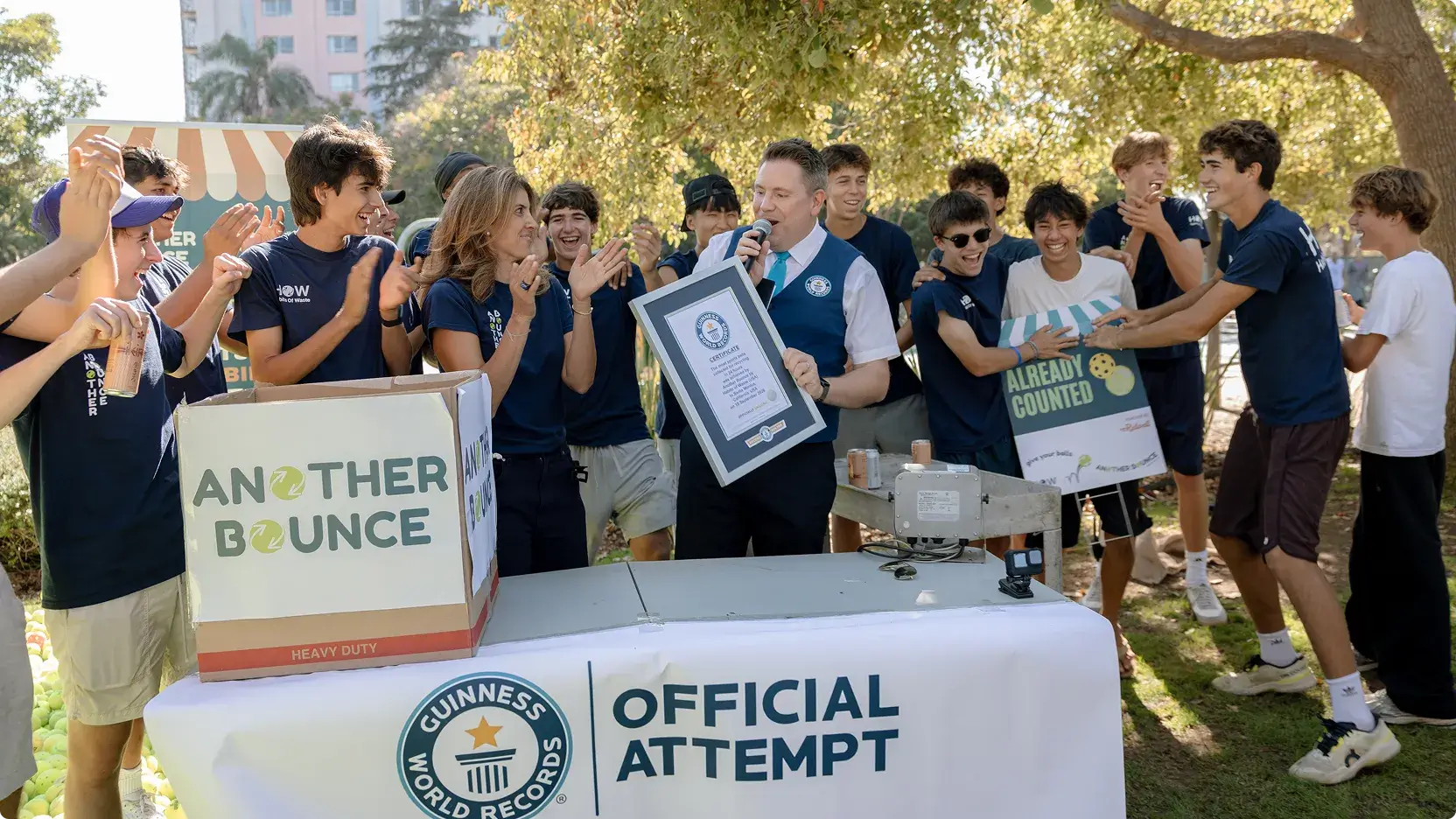
Another Bounce is our youth-led initiative to recycle tennis and pickleballs to create a more sustainable future for the game. Why? An estimated 500 million balls get thrown out, sometimes after just hours of play.
This initiative was created and is led by the Habits of Waste Junior Board, composed of 13 student athletes in LA county, representing six LA County high schools.
De-normalizing single-use plastic on the field
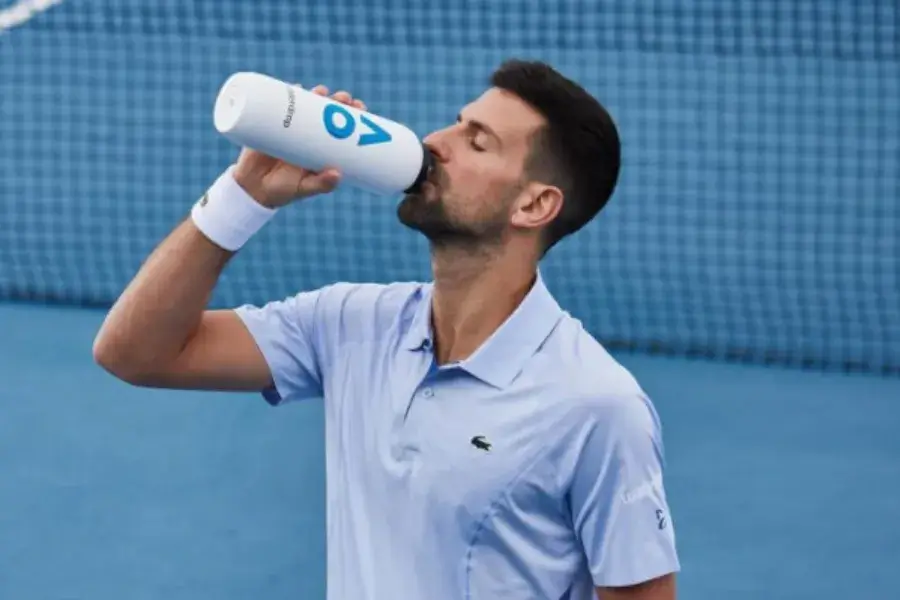
When athletes reach for single-use plastic bottles on camera, billions of fans get the wrong message. Our Lights Camera Plastic: Sports Edition campaign puts reusable bottles in the spotlight, instead. We work with professional teams, leagues, and elite athletes to make reusables the norm on the sidelines and on the field.
We’ve joined forces with over 100 sports organizations and elite athletes worldwide to set an example of sustainability in sports. We’re providing teams with the tools they need: toolkits, posters, and communications strategies to help athletes rehydrate sustainably—especially when the cameras are rolling.
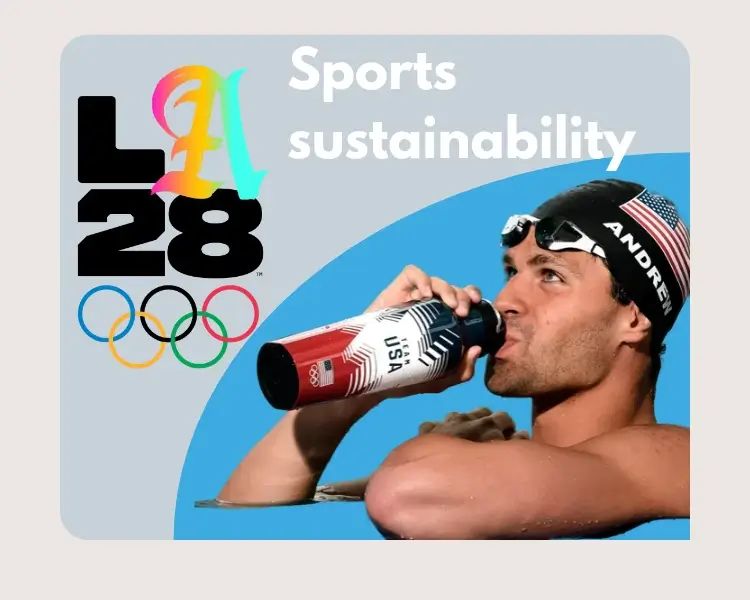
LA 2028 Olympics
Let’s make the LA Olympics the most sustainable games, yet!
The 2028 LA Olympics will be one of the most-watched sporting events. We are therefore working to ensure sustainability is at the heart of the games—and that the sustainable habits built for LA2028 can create lasting change in LA and across the world.
We are advocating for reusable packaging systems at Olympic venues and will work to find new life for sporting equipment in local communities. Let’s make LA a model for sustainable sporting events! We saw Paris debut reusable packaging at the 2024 Olympic games (Paris, 2024), so we know this is possible. Let’s have LA2028 make sports sustainability the new normal!