reThink Tap
Plastic water bottle companies have us drinking and discarding 1 million plastic bottles per minute, and 91% of those bottles are not recycled. But tap water quality is good in the US, we don’t need plastic water bottles!
The Problem
Studies show that most people do not trust tap water. Rather than drink their own tap water, people will opt for plastic water bottles, thinking that it is safer.
However, single-use plastic water bottles are harmful to our planet and harmful to our bodies.
Plastic water bottles leech harmful chemicals and microplastics into the water inside, especially if the plastic bottle is exposed to high temperatures– such as being left in a hot car.
Single-use plastic bottles also pollute the environment, impacting our oceans, killing sea life, and degrading into microplastics, which we then ingest.
The majority of plastic water bottle companies also do not reveal what’s in their water; many companies simply fill their bottles with filtered tap water.
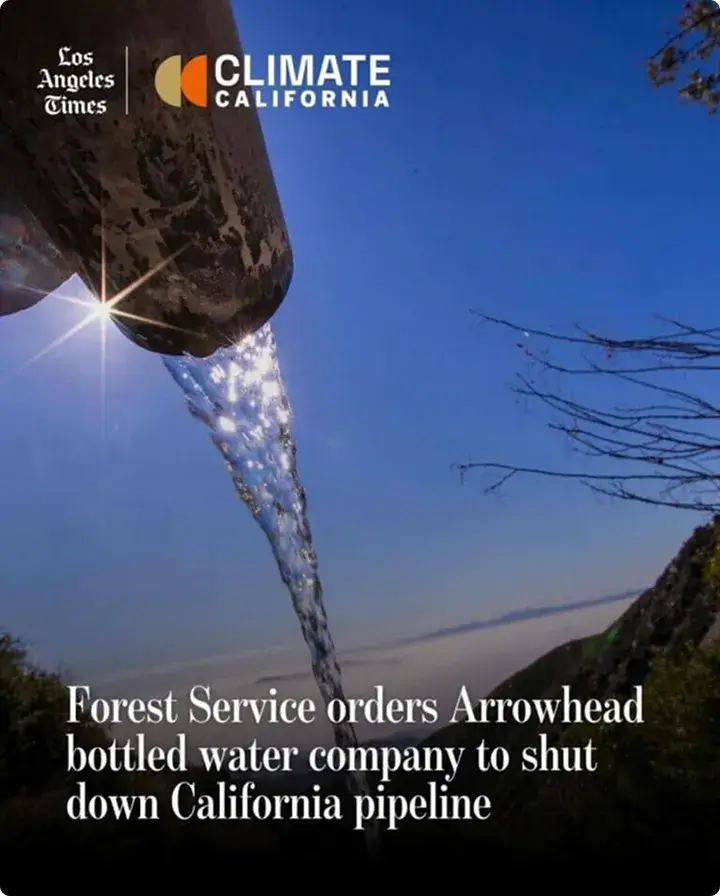
Some companies even extract water from drought-prone environments and public lands for commercial profit. Thankfully, some of those practices are being stopped by local laws.
“Few things are more basic and important to all of us than good, clean water. So many of us take for granted the easy access to such a basic necessity. Plastic water bottles only add more damage to our environment. Clean water fountains are the way to go!”
Nina L. Shapiro, MD , Author of HYPE, David Geffen School of Medicine at UCLA
Our Solution
reThink Tap supports individuals in learning about their tap water, before assuming they must buy plastic water bottles.
Public Works Departments and doctors across the U.S. believe in the quality of our tap water: they reiterate that “tap water is good!” The plastic water bottle industry is convincing us otherwise, however, just to increase sales.
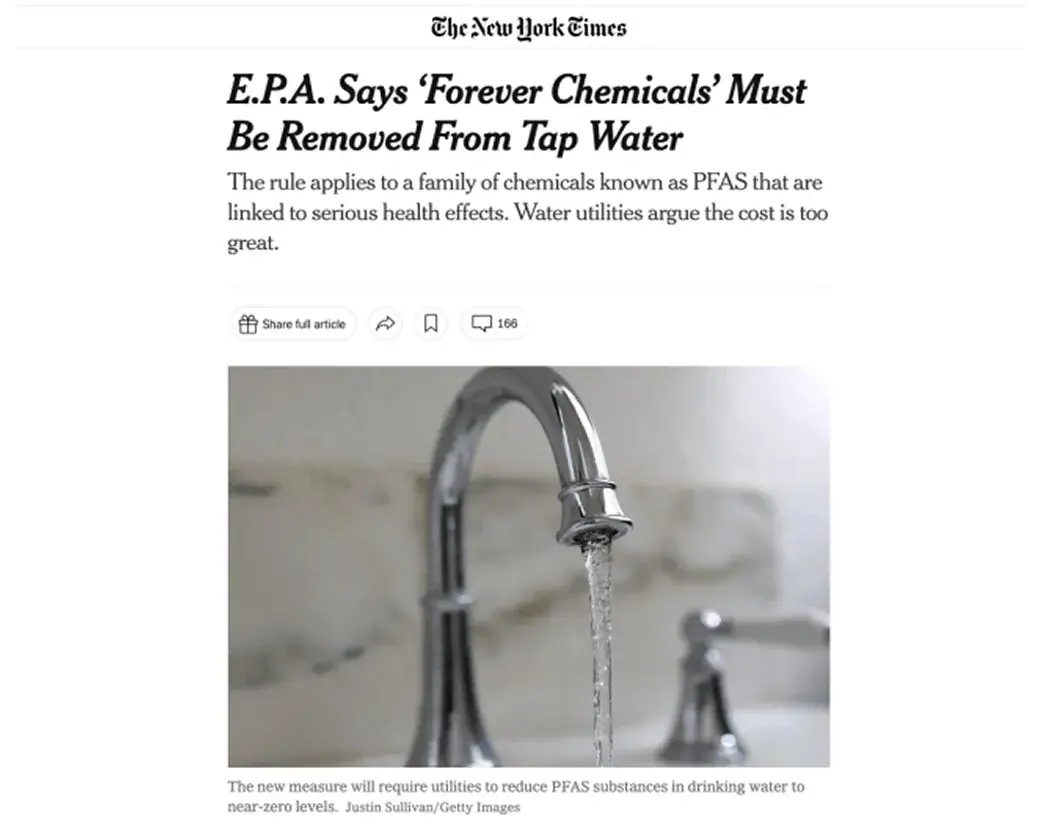
The EPA regulates our drinking water, and in 2024 they announced the removal of “forever chemicals” (PFAS) from tap water. This is yet another reason to reThink Tap!
Take Action
Here is how to reThink Tap:
Learn about your tap water.
Contact your city or your water purveyor, which is the entity in which you pay your water bill. They offer free resources to learn all about your tap water.
Here is an example of a water report that all cities must provide.
Filtering your tap water reduces common contaminants.
Use this guide to learn more about best practices.
Here is what the World Health Organization has to say about the type of water levels that are safe to drink:
According to World Health Organization, tap water with total dissolved solids less than 500 ppm is drinkable and less than 300 ppm is excellent. Santa Monica tap water was measured at 216 ppm.